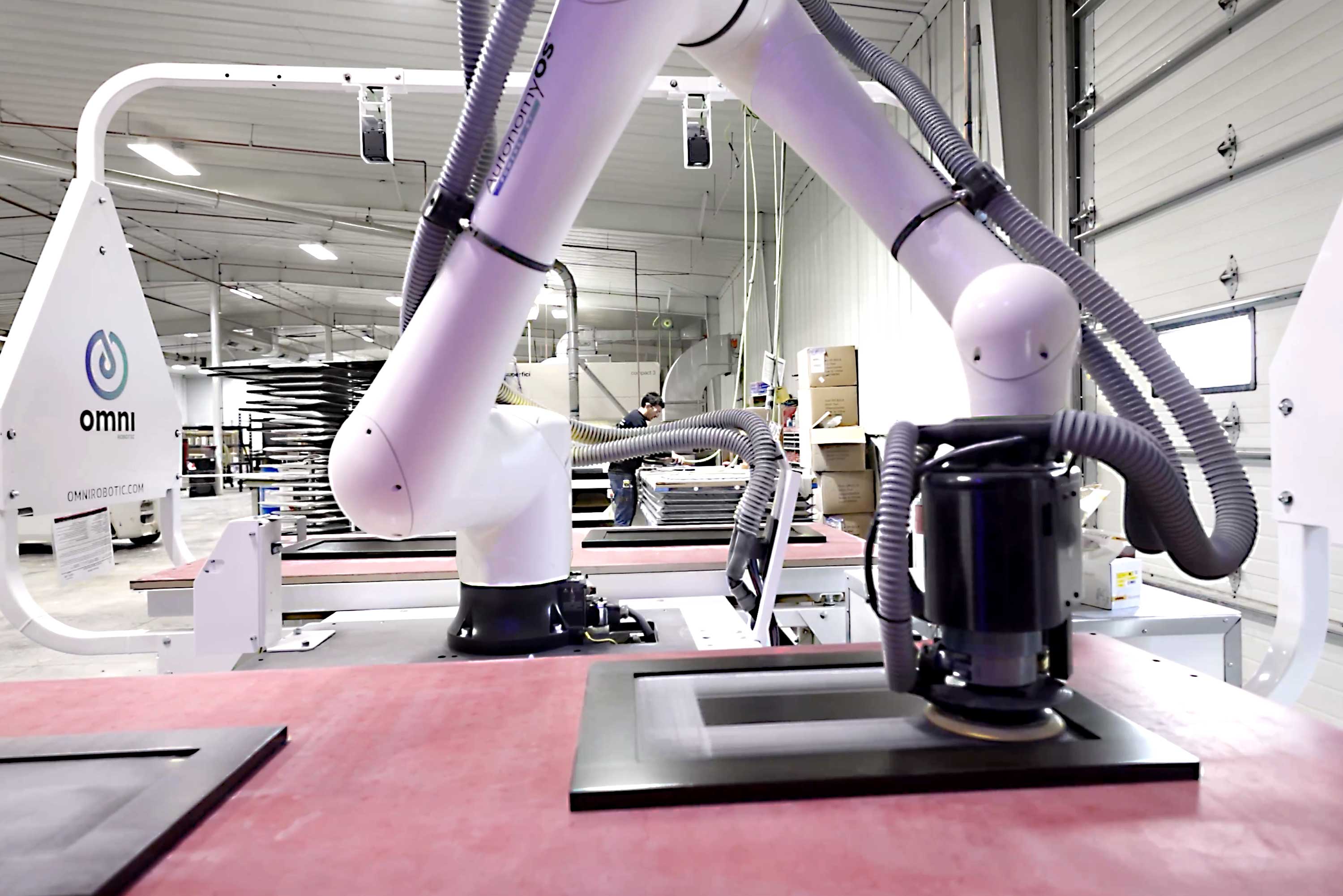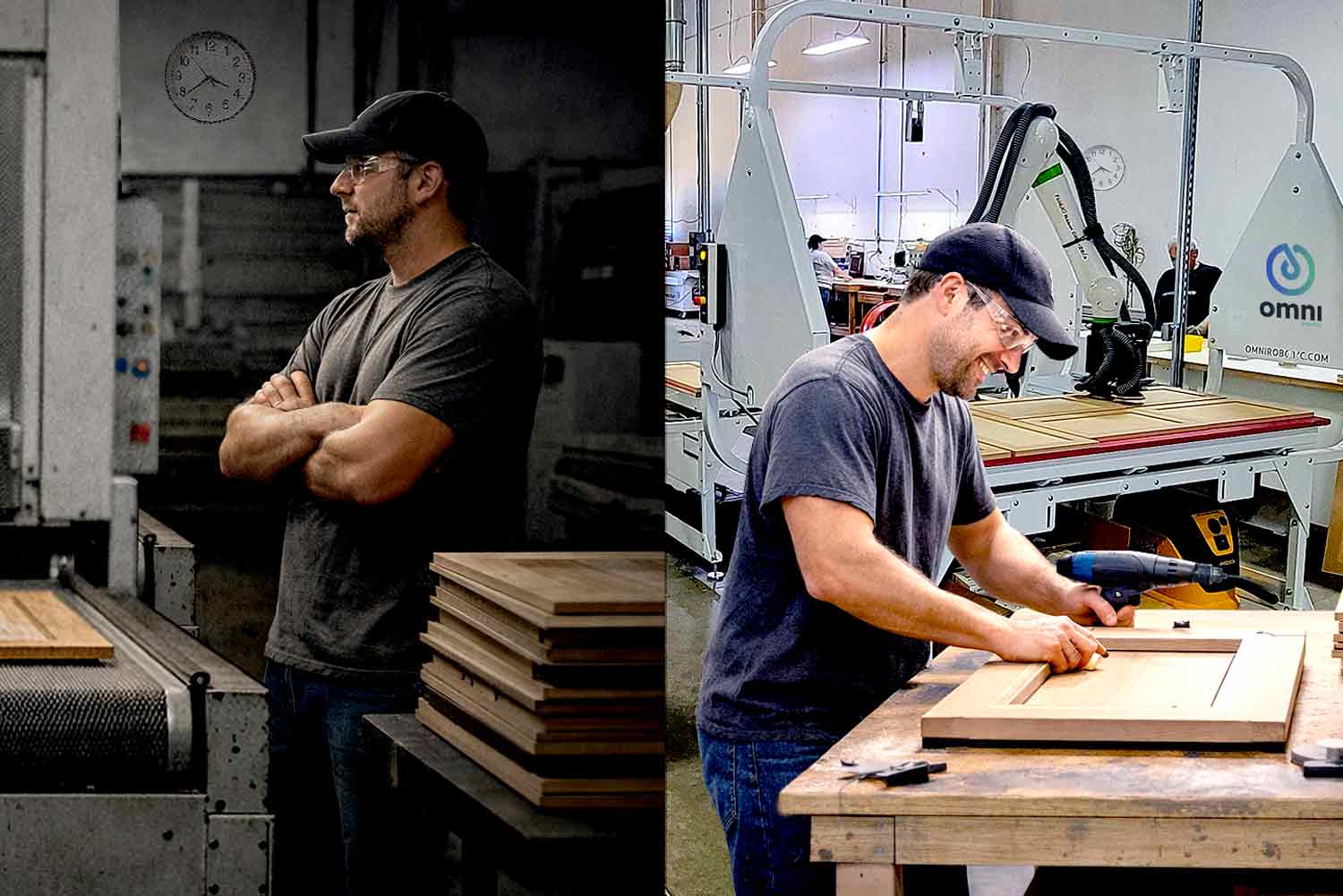

The woodworking industry is facing a crisis. Your CNC runs flawlessly, and your assembly team is fast, but your finishing department is drowning. Finding and keeping workers willing to manually sand cabinet doors all day is nearly impossible.
For years, automating your sanding meant making expensive compromises. You either bought a massive wide-belt sander that is not sanding your shaker panel, or you bought a complicated brush sander that is costly to run, does not consistently remove CNC toolmarks, leaves lines on hardwood and required a skilled technician to set it up properly depending of the type of product on run on them. That era is over.
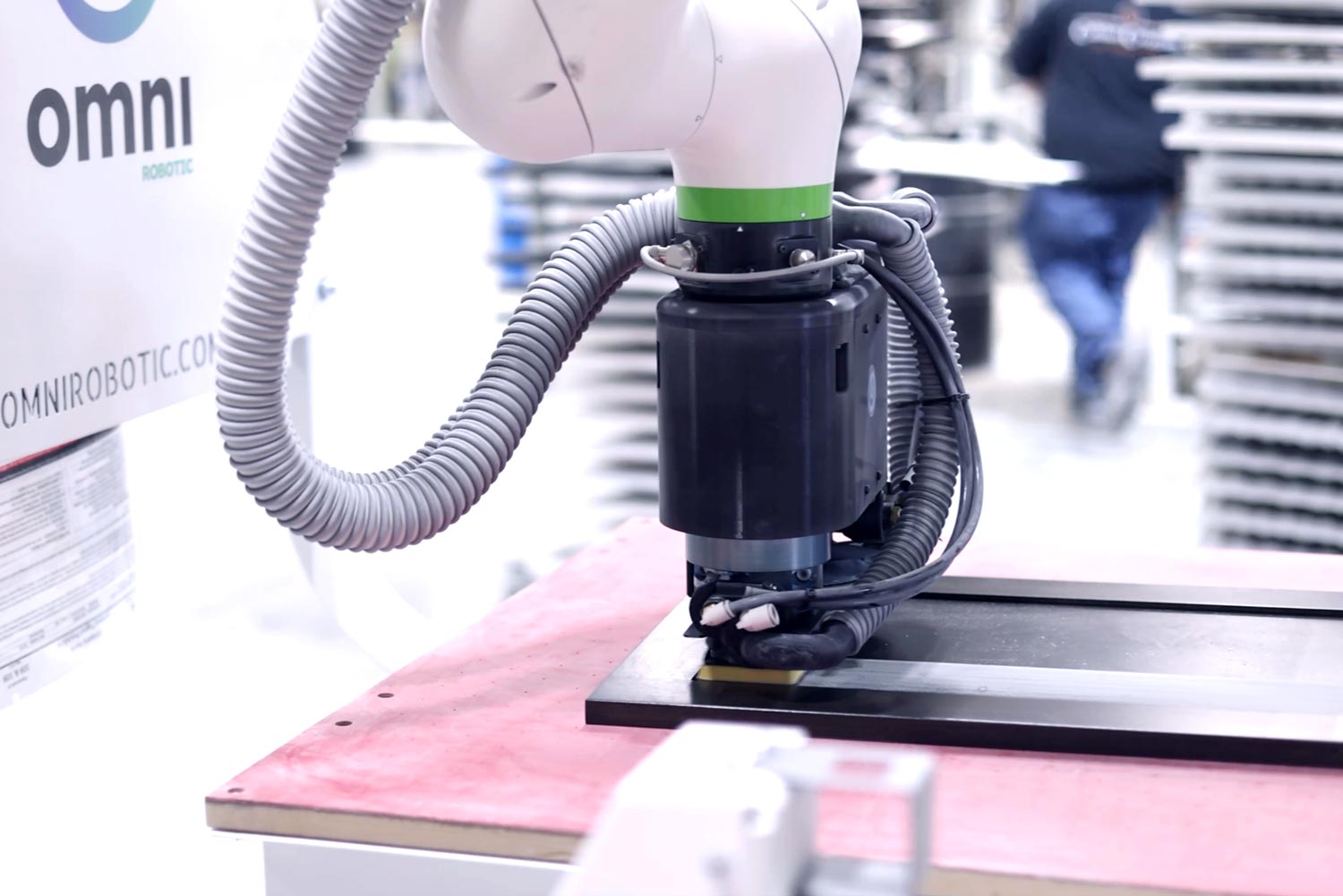
Modern robotic sanding uses AI 3D vision to deliver consistent, high-quality finishes with zero part programming and no complicated setup. Whether you are processing MDF, hardwood, primer or sealer, this guide will show you how to eliminate finishing bottlenecks and bring simple, true automation to your shop floor.
The Illusion of Automation
High Human Dependency
Many traditional robotic sanders claim to be automated, but they just shift the headache from the sanding table to a computer screen.
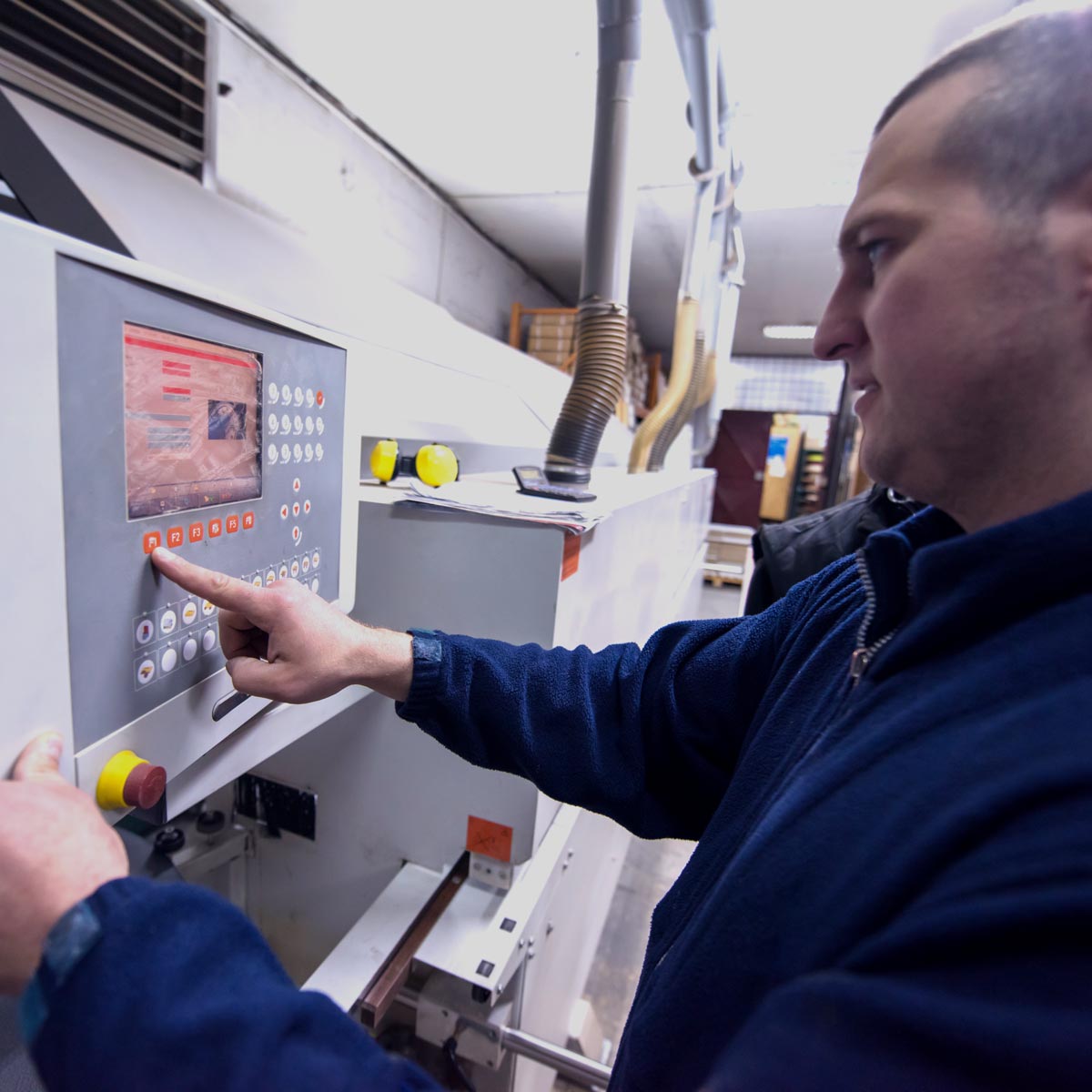
Because traditional robots are blind, they rely entirely on rigid programming. They force your operator to sort doors by type, manually align suction pads to the part’s size, perfectly align them on the table using jigs, and manually search through a touchscreen to select the right door type and parameters. If the operator selects the wrong type or places the door one millimeter off the jig, the product is ruined.
This isn’t autonomy; it is high human dependency. It requires a highly trained operator to babysit the machine all day long.
The Business Case
True Autonomy: Drop, Press Start, and Walk Away
With Omnirobotic, your quality standards are locked in by your shop manager, leaving daily operation as simple as using a coffee machine.
During installation, our technicians help you dial in your shop’s exact quality standards for different materials, adjusting grit sequences and dynamic sanding pressure—and save them as simple Sanding Presets (e.g., Preset 1 for MDF, Preset 2 for Hardwood). After that, the floor operator never has to think about software settings again.
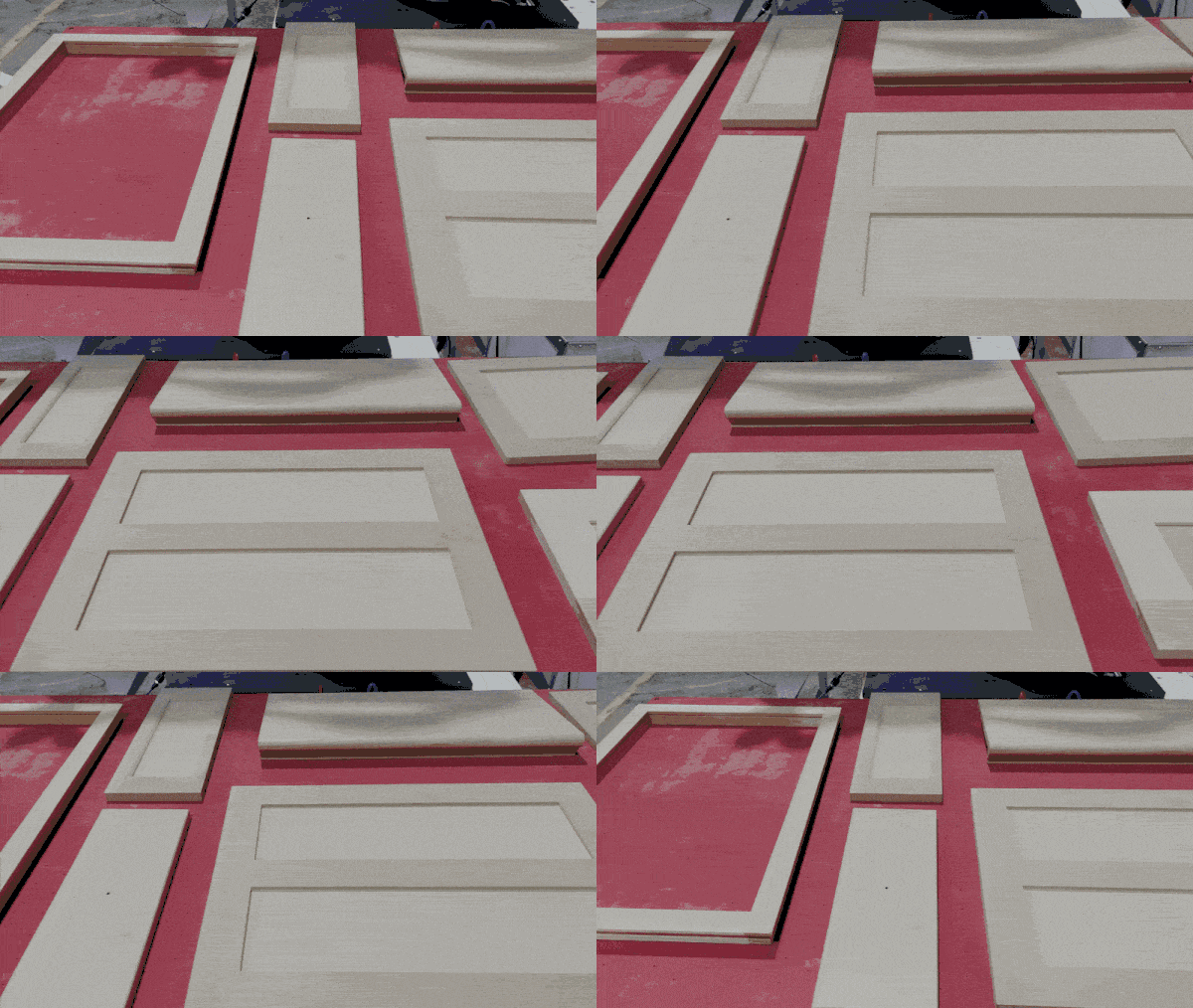
No Sorting by Type or Shape
Your operator simply selects the material preset on the mechanical selector, drops a completely random mix of shaker and slab, raised panels doors anywhere on the vacuum table, and presses start. No jigs, no alignment and no screen setting needed.
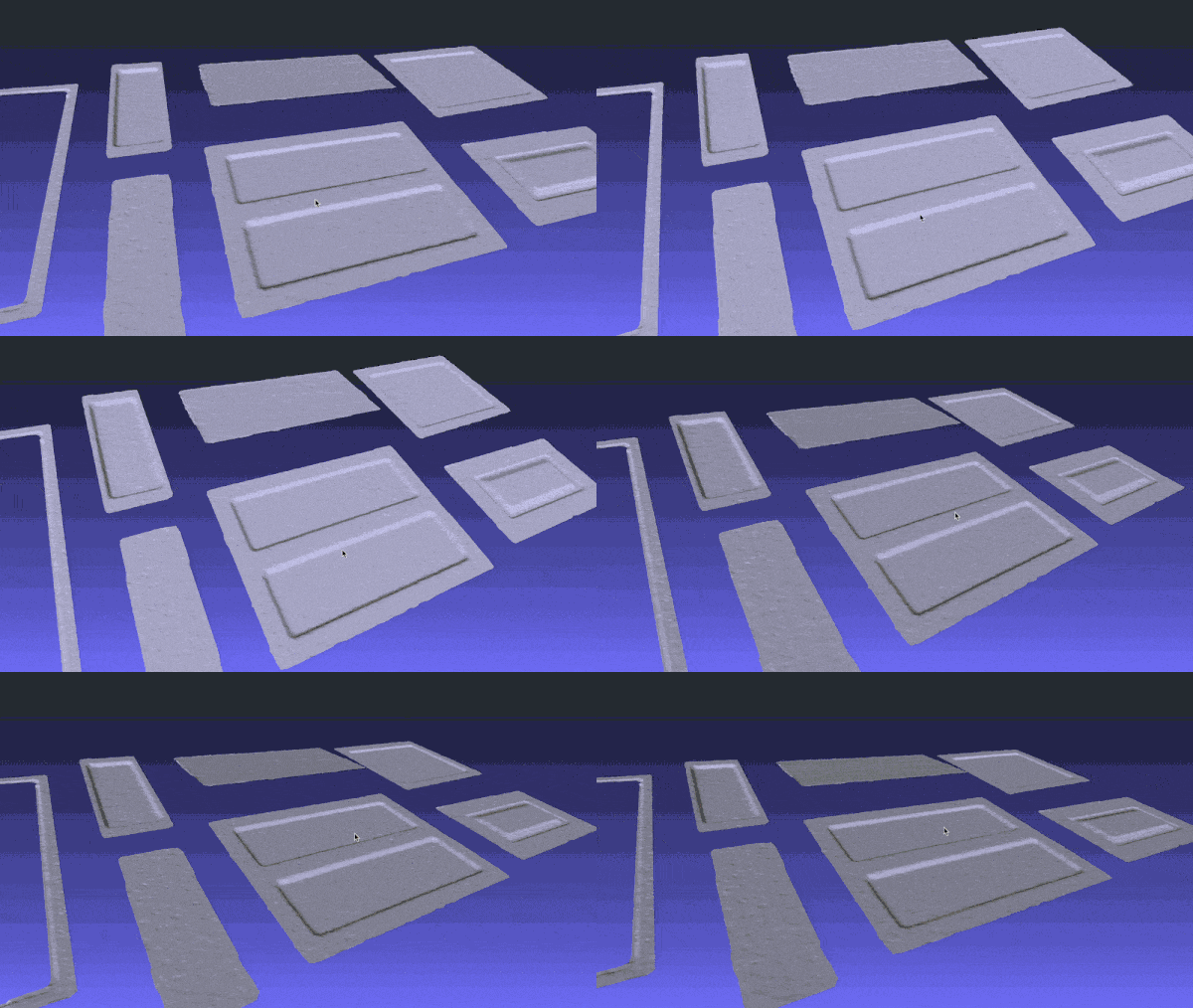
AI 3D vision Takes Over
Our AI 3D vision instantly scans the table. The system identifies and classifies the type, size, and profile of every single door, generates the optimal sanding path on the fly, and applies your exact quality standards automatically.
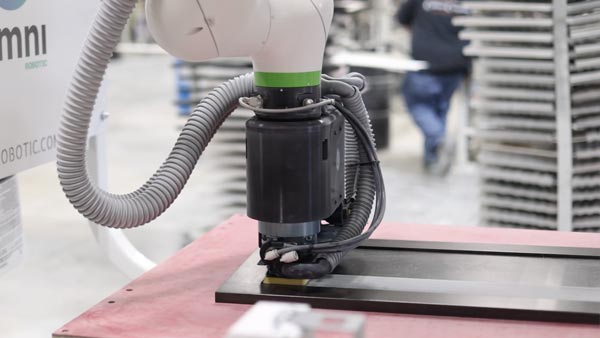
True Walkaway Time
Your operator doesn’t need to stand behind the machine and watch it work. They load the table, press start, and walk away to handle high-margin tasks like assembly or edge banding.
Head-to-Head
Manual vs. Traditional Robots vs. 3D AI
When evaluating sanding solutions, it is critical to look beyond the robotic arm itself and examine the total labor impact of the software.
Manual Sanding
Traditional Robotic
Industry Leader
Omnirobotic
3D AI & Force Control
Loading the Machine
Clamped or hand-held
Requires specific placement, fixtures, or jigs.
Drop and Go: Place doors anywhere in any orientation.
Mixed Batches
Flexible, but extremely slow
Requires sorting parts by type before loading.
True Random: Mix shaker, slab, and varying types freely.
Walkaway Time
Zero
Low: Operators must constantly set up the jig, load and unload the machine for every door.
High: 20 minutes of walkaway autonomy per load.
Required Skill
Master Craftsman
Trained Machine Programmer
Entry-Level: A new hire runs it perfectly on day one.
Toolpath Generation
By human feel
Fixed, pre-programmed robotic movements.
On-the-Fly: Cameras scan the part and adjust instantly.
Solutions Engineered for Every Material
Every material behaves differently. Our systems are fine-tuned to handle the exact physics of your production line without compromise.
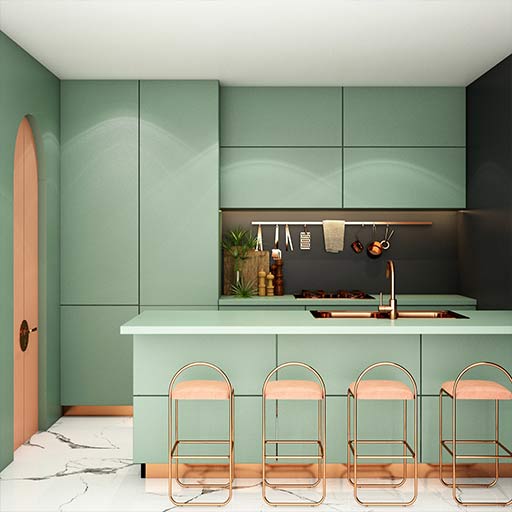
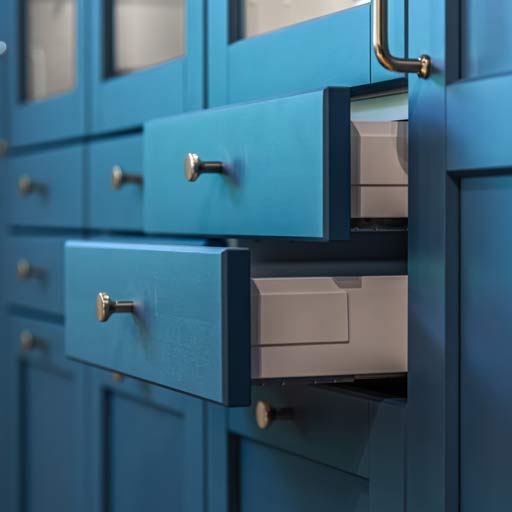
Shaker & 5 pieces Doors
Eliminate cross-grain scratches and protect your delicate inside corners using 0.1 mm edge awareness.
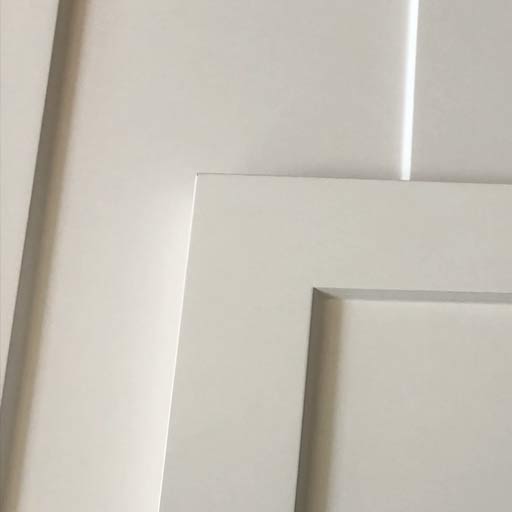
Flat Panels & Veneers
Achieve a flawless, repeatable finish across massive surface areas without the usual wide belt sanding burn through or the brush sanding residual lines patterns.
MDF & Primer Sanding
Four Corner Laser probing and Automatic Pitch Control (APC™) prepare a perfect surface for the sealer or primer coat. The Active Force Compensation (AFC™) avoids burning through that primer or sealer when they return on the PSA-80 PRO.
Thermofoil Prep
Consistent, light-touch surface preparation to guarantee a flawless, heat-pressed bond.
The Business Case
Why Automate Now?
Robotic sanders are no longer just for massive enterprise factories. They are survival tools for small and mid-sized custom cabinet shops.
Solve the Labor Shortage
Turn the worst, dirtiest job in your shop into a simple loading/unloading position. Move your skilled craftsmen to assembly or finishing where they actually generate more value.
Eliminate Rework
Manual sanders get tired; robots do not. Drop your rework rate to near zero by applying the exact same pressure at 8:00 AM and 4:00 PM.
Break the Bottleneck
Stop capping your daily CNC output based on who showed up for their sanding shift.
The Omnirobotic Advantage
Low Running Costs & Built to Last
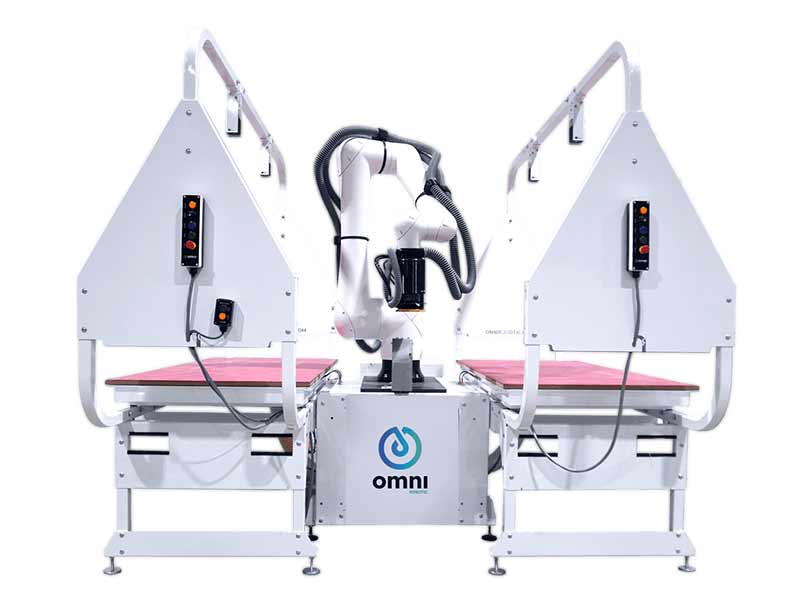
The Omnirobotic PSA-80 PRO is built for non-stop production and high volume productivity.
No New Ductwork Required
The PSA-80 PRO comes standard with a fully integrated HEPA dust extraction system and vacuum generator. Drop it anywhere on your shop floor without the expense of routing new factory ductwork, instantly improving your shop's air quality.
The 10-Minute Ratio
Watch the PSA-80 PRO actively sand for a full hour while requiring only 10 minutes of human interaction. In a standard 8-hour shift, your operator gets back nearly 7 hours to do other things while the machine sands 500 doors!
- See 1-Hour Production Test
Customer-Proven Output
In real-world high-mix shops, our customers consistently process 500+ doors a shift.
Built for the Long Haul
Engineered for tough industrial environments, the robotic arm will run 48,000 hours before requiring its first mechanical maintenance.
See It In Action
Stop settling for machines that trap your workers at a touchscreen all day.
FAQ: Robotic Sanding Systems
Do I need to hire a robot programmer or engineer to run this system?
No. Our systems are built on true autonomy, not rigid programming. The AI and 3D vision cameras scan the parts and generate the toolpath in real-time. An entry-level employee can run the system on day one with zero robotics experience.
What is the typical ROI period for an Omnirobotic sanding system?
While every facility is different, most high-mix cabinet manufacturers see a full return on investment (ROI) within 18 to 30 months. This is driven by reallocating 2 to 3 manual finishers to other departments, eliminating the 5-10% daily rework rate, and significantly increasing daily throughput.
Can the robot handle complex shaker doors and flat panels in the same batch?
Yes. While traditional robots require the operator to sort batches and select specific software parameters for every individual door type, our system simplifies this entirely. Your Admin saves your shop’s quality standards into simple presets (e.g., Preset 1 for MDF, Preset 2 for Hardwood). The operator selects the preset, drops a random mix of shaker, raised panel, open frames and flat panel doors onto the table in any orientation, and presses start. The 3D vision instantly classifies the different door types and adapts automatically.
Will the robot sand through my primer or veneer?
No. Traditional robots apply rigid, unyielding force, which causes burn-through on delicate edges. Our systems use Active Force Compensation (AFC™) technology to control the force on the abrasive and Active Pitch Control (APC™) to ensure that the sander pad is sitting flat on the surface regardless of that door orientation and tilt angle on the table. The robotic arm “feels” the surface just like a human hand, maintaining the exact, dynamic pressure required for MDF primer, delicate veneers, and thermofoil preparation.
Does the system need to be connected to our factory's dust collection?
No. While it can connect to your existing infrastructure if desired, the PSA-80 PRO is designed to be completely self-contained. It features a built-in HEPA dust extractor and vacuum generation system. This gives you the flexibility to position the machine anywhere on your shop floor without the headache of routing new ductwork, drastically improving the air quality compared to manual orbital sanding.