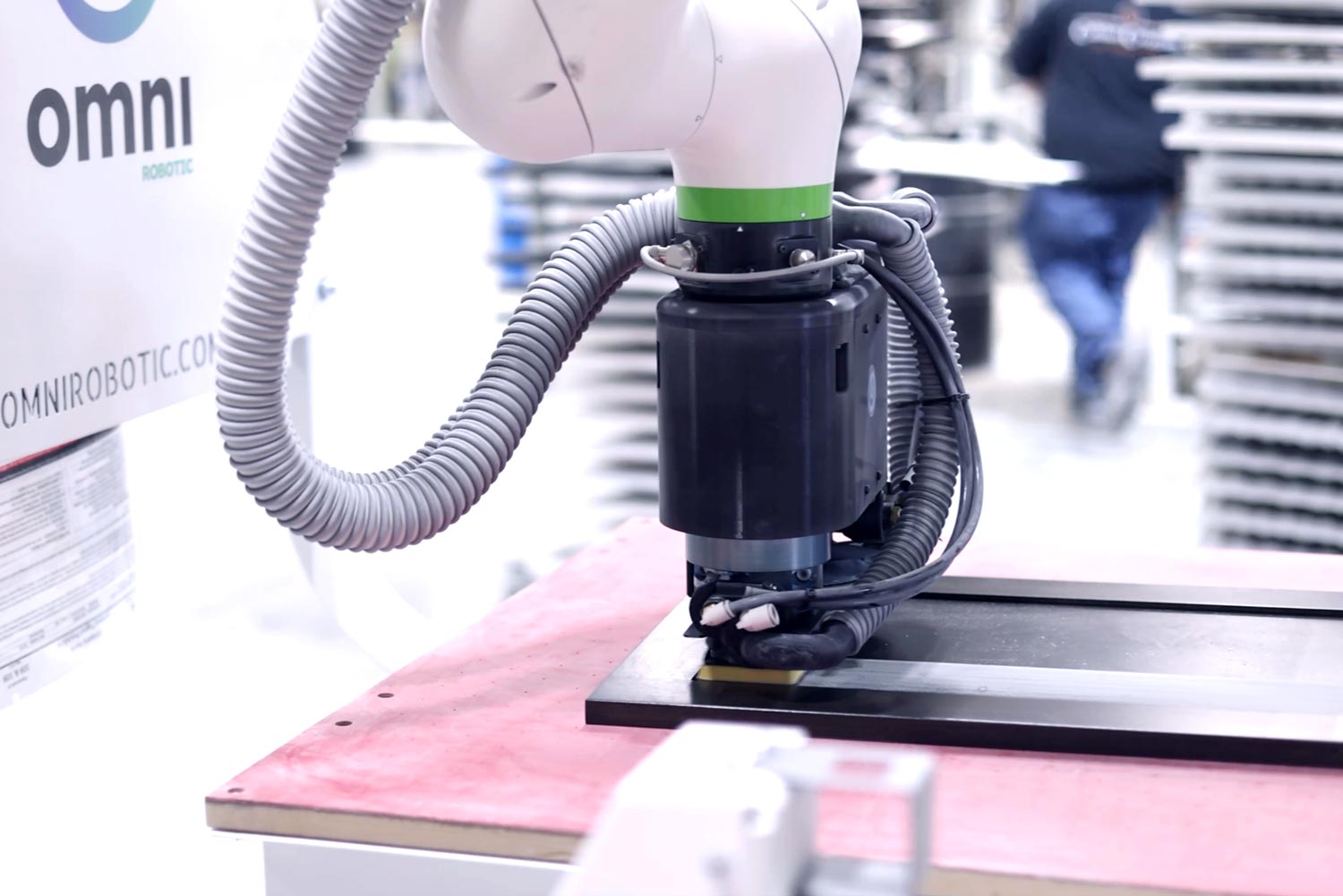
Cabinet Sanding Automation: The Complete Guide to Robotic Finishing
Eliminate finishing bottlenecks and solve your labor shortage. Explore our complete guide to high-mix robotic sanding automation and 3D vision systems.


Eliminate finishing bottlenecks and solve your labor shortage. Explore our complete guide to high-mix robotic sanding automation and 3D vision systems.
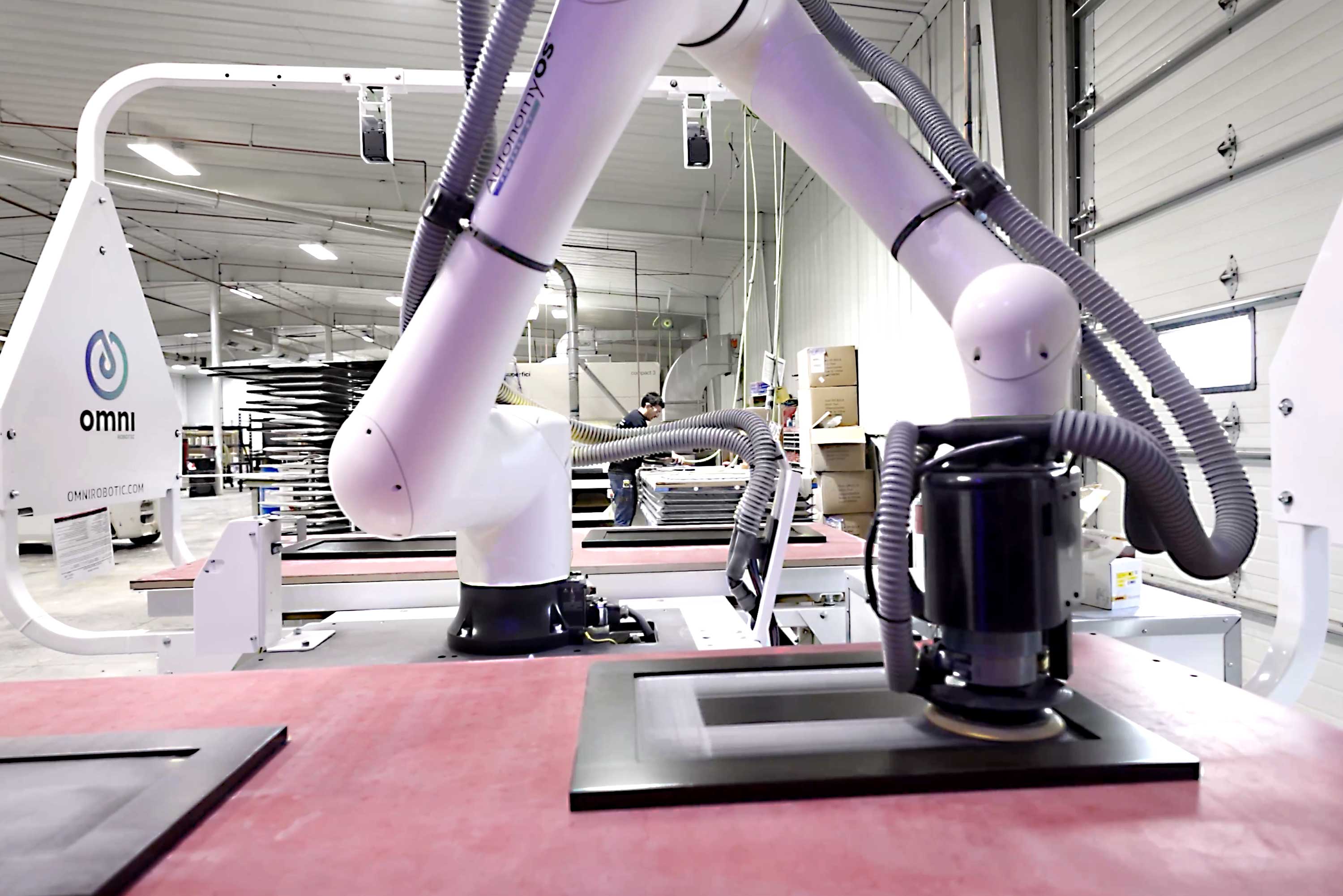
The woodworking industry is entering 2026 at the intersection of two persistent pressures: demand for higher and more consistent product quality, and a tighter labour market that makes predictable output harder to achieve. Those pressures, combined with faster innovation in robotics, AI, and materials policy, mean automation will continue to move from pilot projects to production-grade capacity in shops of every size. We outline five trends that will matter most in 2026, and practical next steps for manufacturers and equipment vendors.
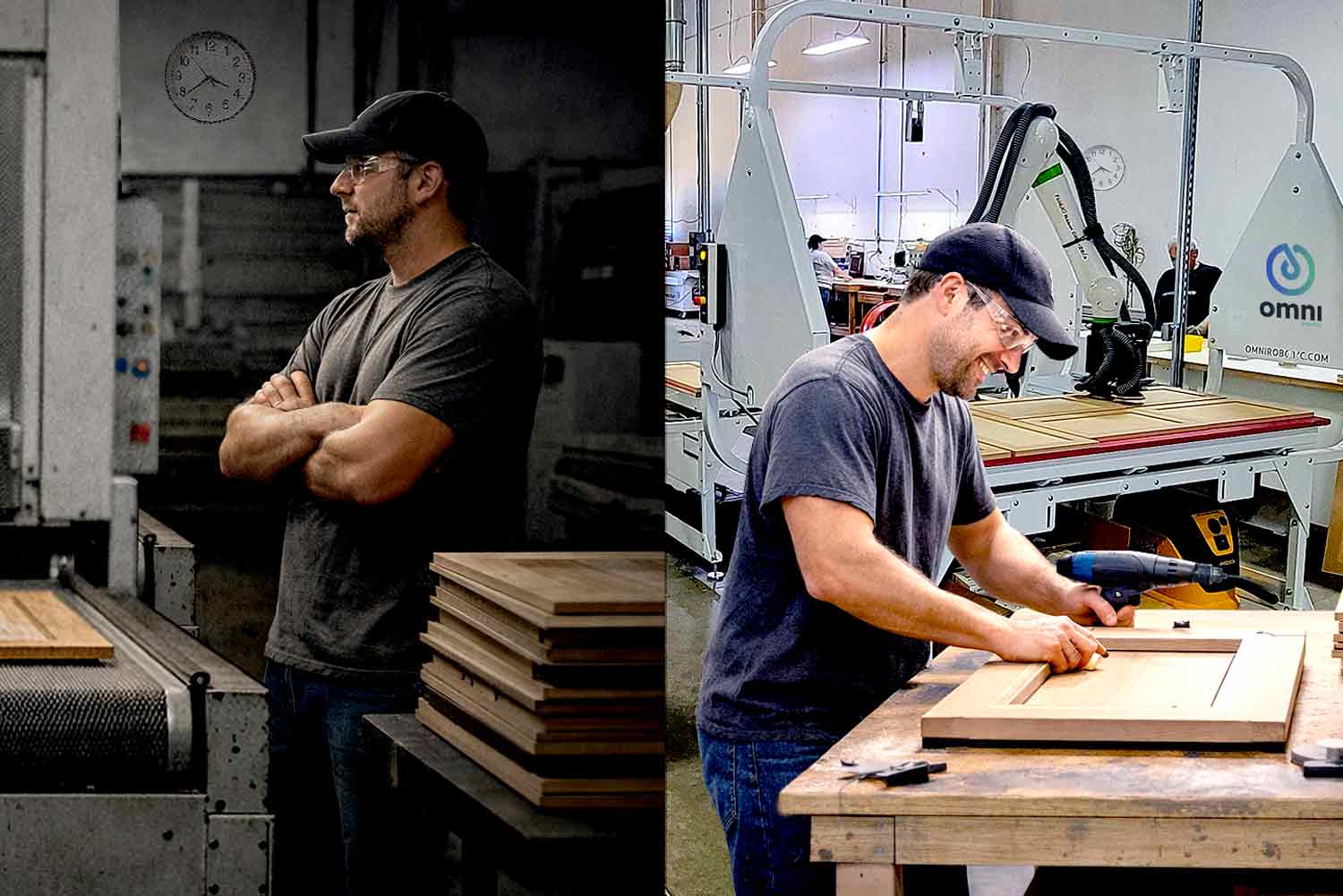
The PSA-80 PRO frees skilled employees from repetitive sanding, requiring only 10% of an operator’s time. No dedicated operator, no rework, no complex programming, just consistent, high-quality finishes. Most shops see payback in under 24 months, but the real value is reclaiming time, attention, and workforce productivity.

In woodworking shops across North America, sanding remains one of the most labor-intensive and costly processes in production. The demand for flawless finishes is high, but the cost of achieving such quality through manual labor can be significant — not just financially, but also in terms of lost productivity.

The landscape for industries, particularly manufacturing and woodworking, is evolving due to factors such as rising costs, supply chain changes in the U.S. These shifts present new challenges, but also open up opportunities for businesses that take proactive steps to adapt. One of the key factors influencing operational efficiency is the ongoing labor shortage, which continues to impact productivity and profitability.
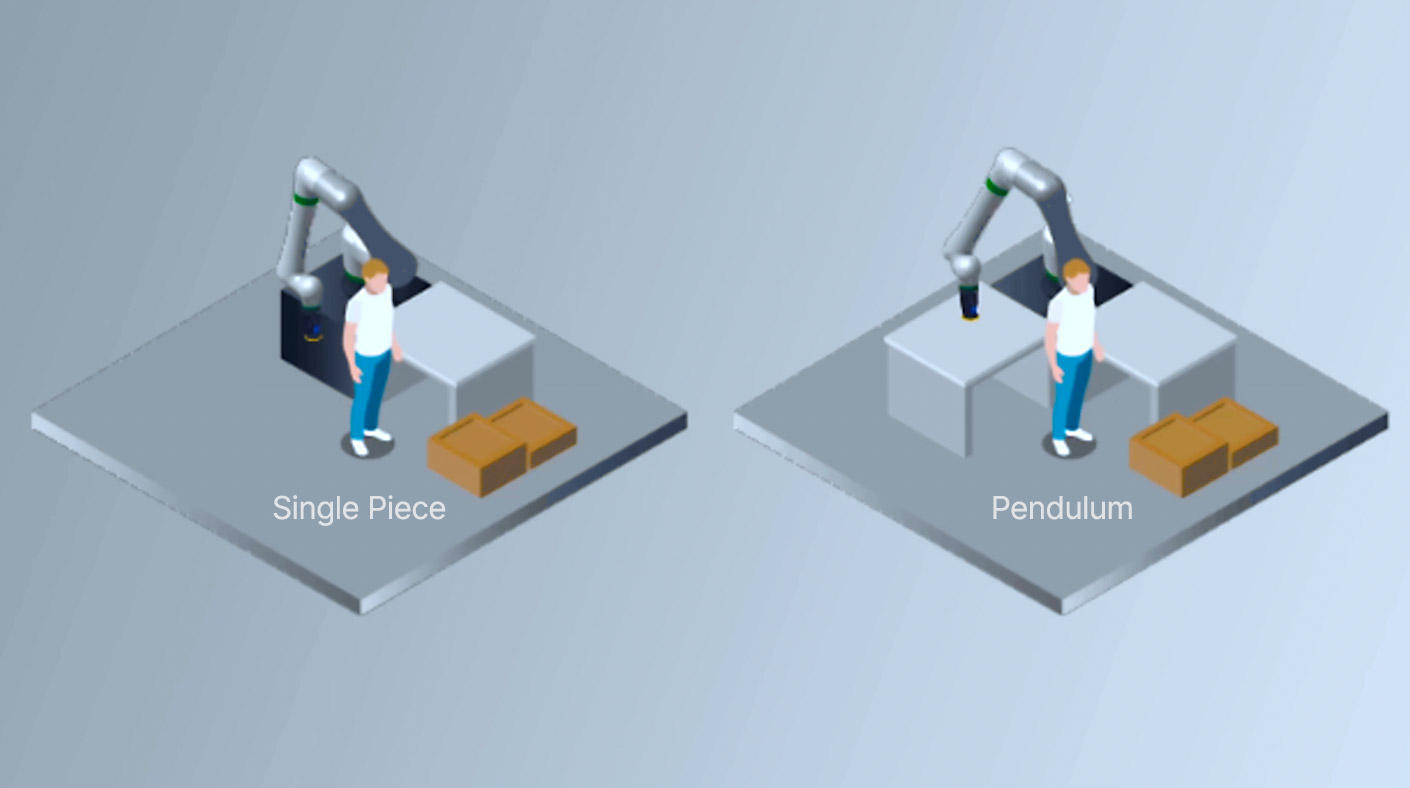
In the world of robotic sanding, selecting the right equipment can significantly impact your operational efficiency, cost-effectiveness, and overall quality. Among the popular options, the Pendulum Robotic System and the Single Piece Flow Robotic System offer each unique advantages, but the Pendulum System stands out in several critical areas.
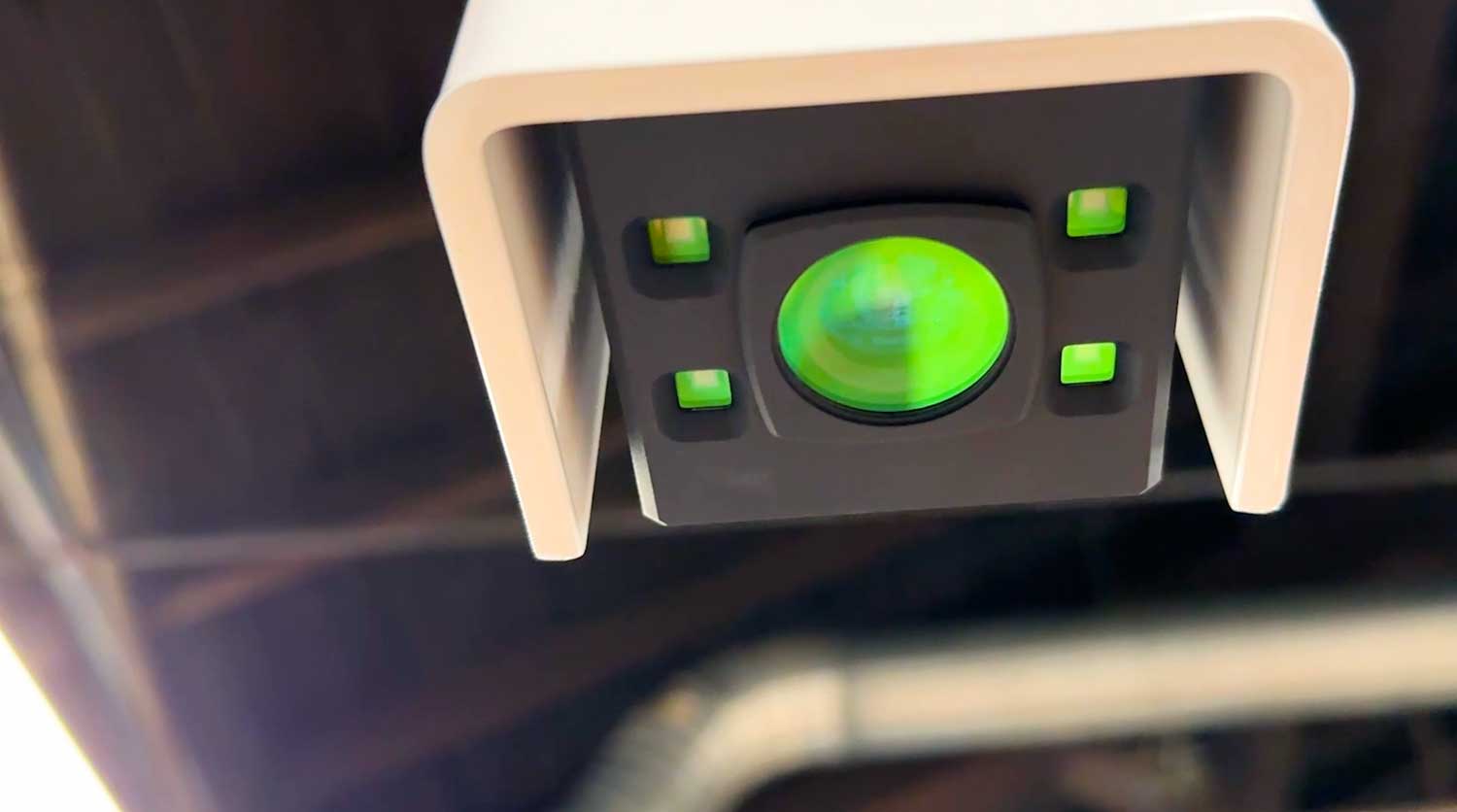
The time of flight sensor (ToF) has a peculiar name. It doesn’t necessarily mean it will calculate the time a flying object is in the air, nor does it measure the precise time an object takes off from the ground. Before understanding what a ToF sensor does, it’s essential to understand what ToF actually is. ToF measures the time it takes for a physical object to travel a given distance through a medium. Typically, this measurement can determine velocity and path length, but it can also be used to learn about an object’s dimensions.
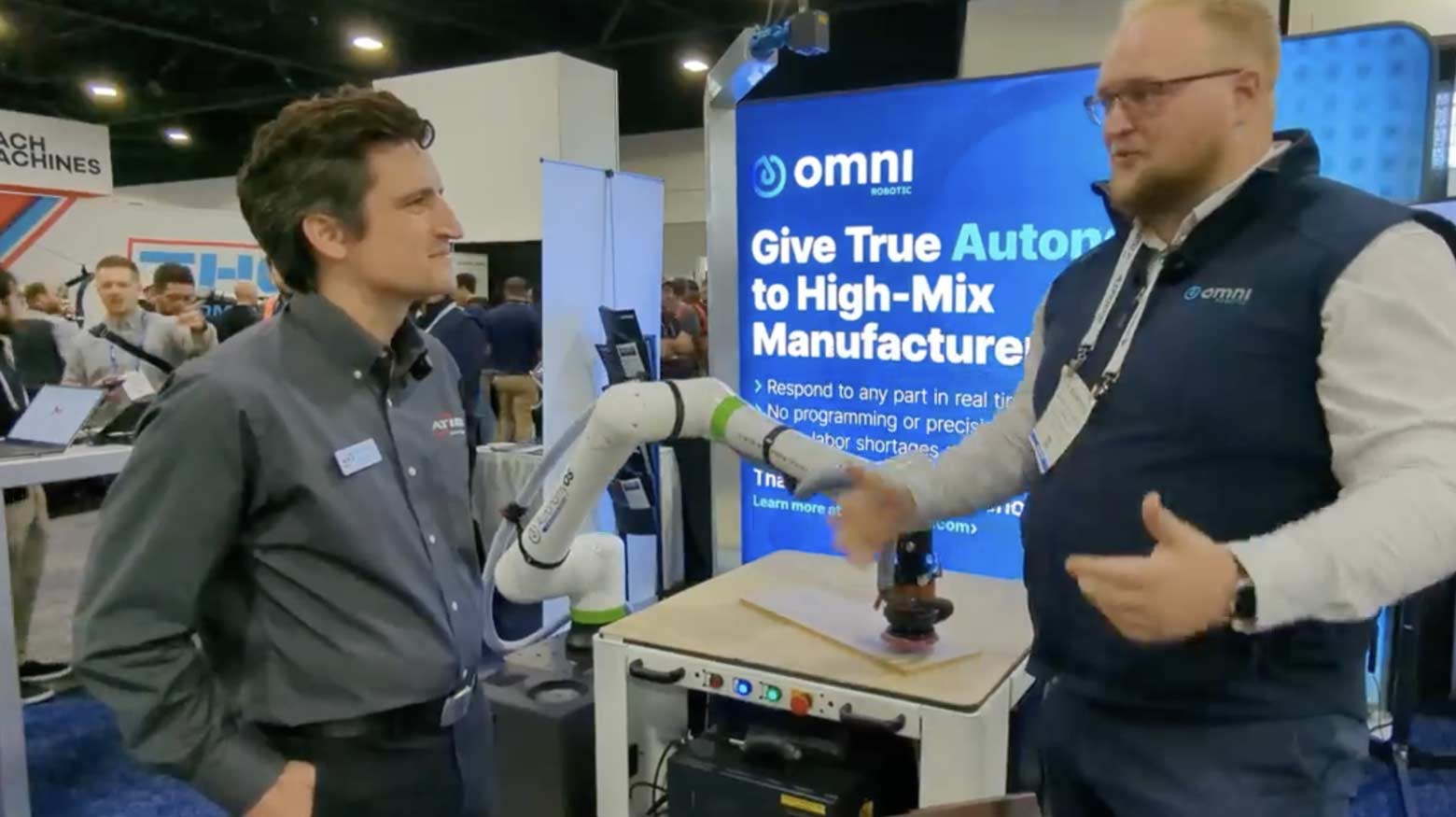
FABTECH has once again come and gone and this year’s rendition offered, for the first time since the pandemic, a chance to see everyone’s faces again. With hundreds of companies and tens of thousands of exhibitors and attendees alike roaming around in the Georgia World Congress Center, there was a diverse set of robots, machines, and approaches to manufacturing automation. But what stood out the most?

With the increasing abundance of robots, you need a relative increase in engineers to set them up for each company. So how complicated of a process is programming a robot?
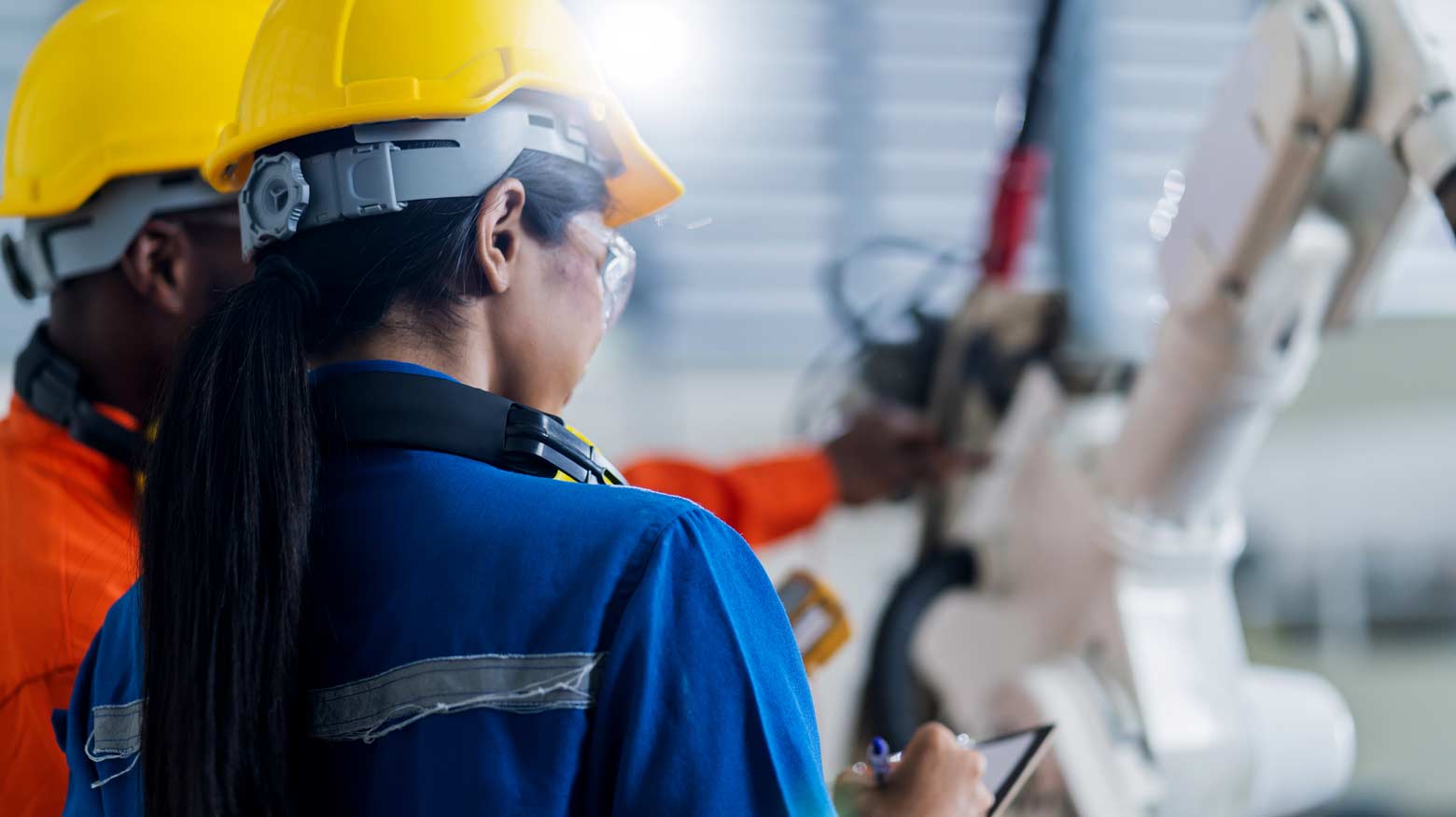
With so many different suppliers, machines, and setups, you want to make sure that whatever decision you make, it’s a comprehensive one – one that ticks all the boxes for your manufacturing plant and one that can secure a more productive and efficient future.
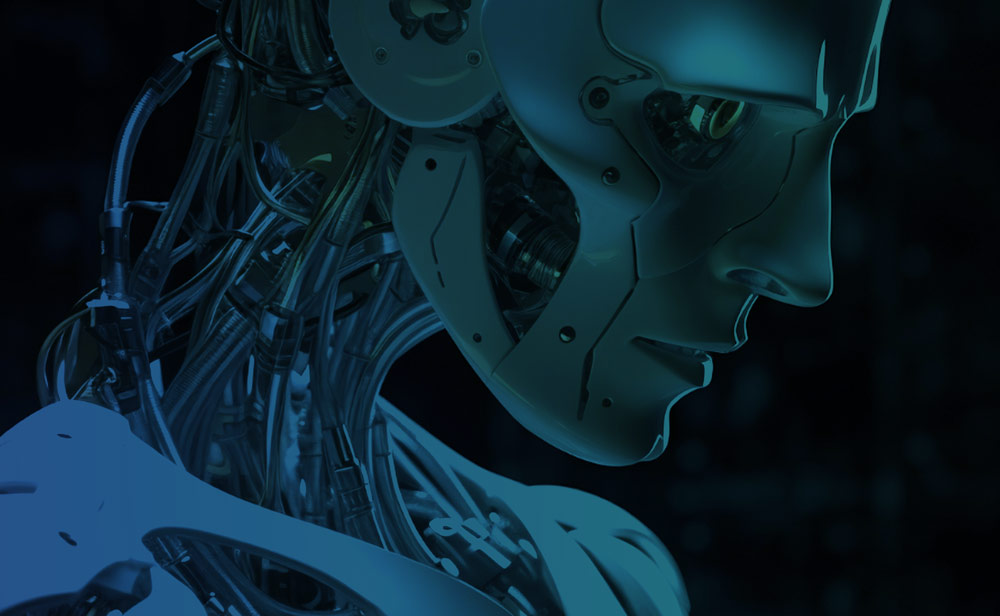
Though the autonomous robots we have today aren’t sentient like HAL, we’re approaching an era of humanoid robots that look like humans but function off lines of code. So if a humanoid robot isn’t quite HAL but also not a standard pick-and-place robot, then what exactly is it?
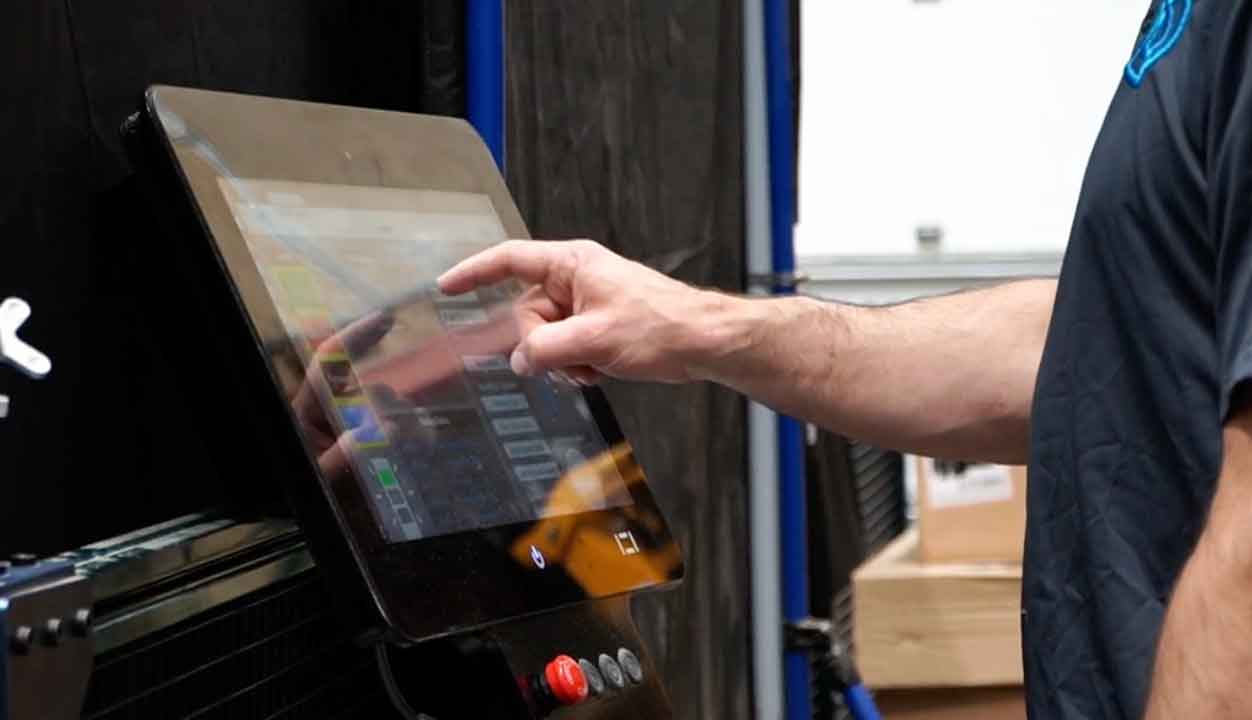
Many new pieces of technology always seem to have long names with abbreviations to simplify their pronunciation. Sometimes, they’re easy to decipher like the widely-known AI – or artificial intelligence. Other times, they refer to technologies with specific uses and would only be known to the users who handle them daily. The Human-Machine Interface (HMI) is one of those pieces of technology.